Octopus Go vs Intelligent Octopus Go: 2026 Tariff Compared
Comparing Intelligent Octopus Go vs Octopus Go
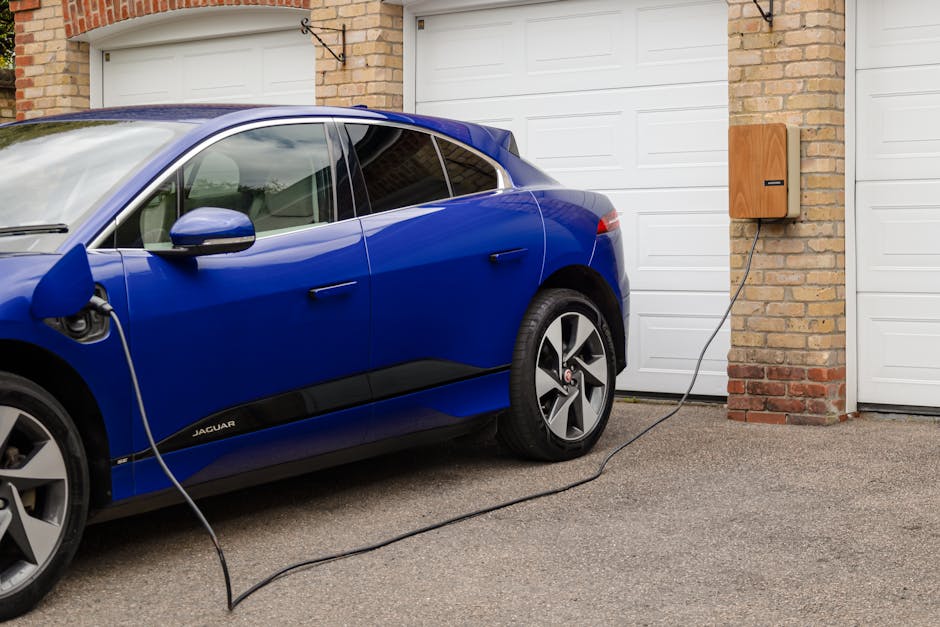
Octopus runs two separate off-peak EV tariffs in the UK, and the names cause endless confusion at switching time. Octopus Go is the original — a fixed five-hour window between 00:30 and 05:30, available to anyone with an EV and any home charger. Intelligent Octopus Go is the smart-scheduled successor — a six-hour whole-home window from 23:30 to 05:30, plus app-driven charging slots that fire when the grid is cheapest, but it locks you to a supported charger or vehicle. After the 1 April 2026 rate cut, the gap between them widened sharply in IOG's favour, then a 1 May 2026 variable-rate rise narrowed it again. This guide cuts through the marketing pages and shows when each tariff actually wins, with the rates and rules current as of May 2026.
Quick Comparison
| Feature | Best Overall Intelligent Octopus Go ★★★★★ 4.5 | Octopus Go ★★★★☆ 4 |
|---|---|---|
| Price | — | — |
| Rating | 4.5/5 | 4/5 |
| Best For | The default pick for any UK EV household with a compatible smart charger and a typical overnight charge under six hours. | The right choice when IOG isn't available — incompatible charger, EV not on the list, or a household that can't run app-driven scheduling reliably. |
Detailed Breakdown
1. Intelligent Octopus Go
Pros
- ✓ Whole-home off-peak window of 23:30–05:30 (six hours)
- ✓ Off-peak rate fell to as low as 5.49p/kWh in the cheapest DNO regions from 1 April 2026, with a national average around 7.5p/kWh
- ✓ App auto-schedules charging across the cheapest slots — no plug-and-pray
- ✓ Bonus cheap-rate slots can fire outside the standard window when grid renewables are abundant
Cons
- ✗ Requires a supported smart charger or a directly-supported EV (Ohme, Zappi, Hypervolt 3 Pro, Andersen Quartz, plus an OEM compatibility list)
- ✗ Smart-charging cap of six hours per household per 24 hours since March 2026 — extra slots bill at the Boost (peak) rate
- ✗ Variable tariff: a 1 May 2026 rate rise was notified with under two weeks' warning
2. Octopus Go
Pros
- ✓ Compatible with every EV and every home charger — no Octopus-approved hardware needed
- ✓ Single fixed off-peak window of 00:30–05:30 (five hours) every night, set-and-forget
- ✓ Simpler to reason about: one off-peak rate, one peak rate, no smart-scheduling app dependency
Cons
- ✗ Off-peak rate is consistently higher than IOG's after the April 2026 cut
- ✗ Five-hour window is shorter than IOG's six hours and only starts at 00:30
- ✗ Same May 2026 variable-rate rise applies — short notice and similar global-volatility framing
Our Verdict
Off-peak windows side by side
The headline difference is the window itself. Octopus Go runs a fixed five-hour off-peak slot from 00:30 to 05:30 every night, the same time every day, regardless of grid conditions. Intelligent Octopus Go runs a six-hour whole-home off-peak window from 23:30 to 05:30, plus IOG's smart layer can push extra cheap-rate charging into the daytime when renewables are abundant. The hour earlier matters more than it sounds — most overnight EV charging completes well before 05:30, so the bottleneck is window length rather than the cut-off time, and IOG's extra hour translates directly into more 7kW-charged kWh at the cheap rate.
The other structural difference: on Octopus Go you decide when to charge by setting a schedule on the car or the charger and trusting the off-peak window. On IOG, you tell the app what charge level you want and by when, and Octopus's scheduler handles the rest — including, since March 2026, capping smart charging at the six cheapest hours per 24-hour period.
Pricing as of May 2026
Both tariffs are variable, which means rates can move on relatively short notice. The April 2026 picture: Intelligent Octopus Go's off-peak rate dropped from 9p to as low as 5.49p/kWh in the cheapest distribution regions, a roughly 39% cut. The reduction was driven by the November 2025 Budget removing approximately £150 of green levy costs from electricity bills and the Energy Company Obligation scheme being scrapped, which alone removed about 3.5p/kWh in policy costs.
Rates vary across the 14 UK Distribution Network Operator regions, so the real number for your postcode sits somewhere between roughly 4p and 7p — the 5.49p figure is the cheapest end of that range. The national average came out around 7.5p/kWh on Energy Stats UK's tracker, with peak rates averaging about 32p/kWh.
Then on 20 April 2026, Octopus notified Go and IOG customers of a 1 May rise, with standing charges up around 52p per month and a typical blended rate landing near 18.3p/kWh. The short notice — under two weeks, against Octopus's stated quarterly review cycle — drew complaints reported by MoneySavingExpert. Both tariffs took the same direction; IOG remained the cheaper of the two on its off-peak rate.
Eligibility and equipment
Octopus Go's eligibility list is short: an EV, a home EV charger, and a smart meter. The smart meter must be a SMETS2 or one of the supported SMETS1 models, and Octopus says connection to a new smart meter generally takes around 14 days. There is no charger compatibility list — Octopus Go works with every EV and every home charger because the off-peak window is fixed and the tariff doesn't need to send any commands to your hardware.
Intelligent Octopus Go is stricter. The tariff needs to talk to either a directly-supported smart charger or a directly-supported EV, so the cheapest rate is gated by hardware. The strongest charger integrations as of May 2026 are Ohme Home Pro and the Ohme ePod, myenergi Zappi and Zappi GLO, Hypervolt Home 3 Pro, and Andersen Quartz. Octopus's own EV compatibility list adds a long roster of supported cars where the integration runs through the vehicle's API instead of the charger.
Practical implication: if you've already bought a smart charger from Octopus's list, IOG is essentially free money once you're switched. If your charger is older or off-list, Octopus Go is the fallback — and a future charger upgrade (or an EV change) reopens the IOG door.
The 6-hour smart-charging cap on IOG
Octopus quietly reshaped IOG's economics in March 2026 by enforcing a hard six-hour daily cap on smart charging at the cheap rate. The mechanics, taken from the December 2025 announcement: the first six hours of smart-scheduled charging in any 24-hour period bill at the off-peak rate; any half-hour slots beyond that bill at the Boost (peak) rate. The cap is per household, not per vehicle, so a two-EV household shares the same six hours.
Two implications worth understanding before signing up. First, a typical overnight charge on a 7kW home charger delivers around 42 kWh in six hours — enough to add roughly 150 motorway miles or 200+ mixed-route miles to most modern EVs. For most households this is more charging than a daily commute needs, so the cap doesn't bite. Second, drivers with very long charging sessions — large packs returning home near empty, or fleet households — can hit the limit and pay peak rate for the overflow. Octopus added a Charge Cap toggle in the app alongside the rollout, letting users choose between capping at the six cheapest hours (saving money, may not hit charge target) or always hitting the charge target (may pay Boost rate for the last slots).
The whole-home off-peak window of 23:30–05:30 is unaffected by the cap — it still runs as a flat six-hour cheap-rate window for everything in the house, regardless of EV charging activity.
When Octopus Go beats Intelligent Octopus Go
Three real-world cases tip the balance back to the original Go:
Older Wallbox units, OCPP-only chargers, and EVs whose APIs Octopus doesn't yet integrate with all push you to Octopus Go regardless of price.
Patchy home Wi-Fi, multi-driver households where the app target keeps moving, or anyone who wants the schedule fixed and predictable.
Drivers regularly exceeding 200+ miles a day and arriving home near empty can blow through the IOG six-hour cap; on Octopus Go the five-hour window is fixed and predictable.
For everyone else — typical UK EV households at 8,000–15,000 miles a year, a smart charger from Octopus's list, no shift-work constraint — Intelligent Octopus Go remains the cheaper option after April 2026's cut, and the bonus daytime cheap slots are the kind of upside Octopus Go never offered.
How to switch between Go and IOG
If you're already an Octopus customer and your hardware is compatible, the switch from Go to IOG is in-app — Octopus runs an eligibility check against your charger and EV, and the change usually completes within a billing cycle. The opposite move (IOG → Go) is just as straightforward and is the right call if you've changed your charger and lost compatibility, or if the six-hour cap has started to bite.
For new switchers from a different supplier, both tariffs land you in the same place: Octopus is the only supplier of either, and the switch goes through the standard 14-day smart-meter connection plus tariff onboarding. The smart meter has to be SMETS2 (or a compatible SMETS1) — without it, neither tariff works.
Frequently asked questions
Can I run Octopus Go and Intelligent Octopus Go at the same time?
Does the IOG cheap rate really apply to my whole home?
Is the IOG 5.49p/kWh figure my rate or just the cheapest region?
What happens if I charge for more than six hours on IOG?
Do I need a smart meter?
Will moving from Go to IOG affect my warranty or charger settings?
Switch to Octopus and pick the right tariff for your setup
Run an eligibility check with your postcode, charger model, and EV — the right tariff depends on all three.